Run Toward the Storm
Written By: Jeremy Robbins
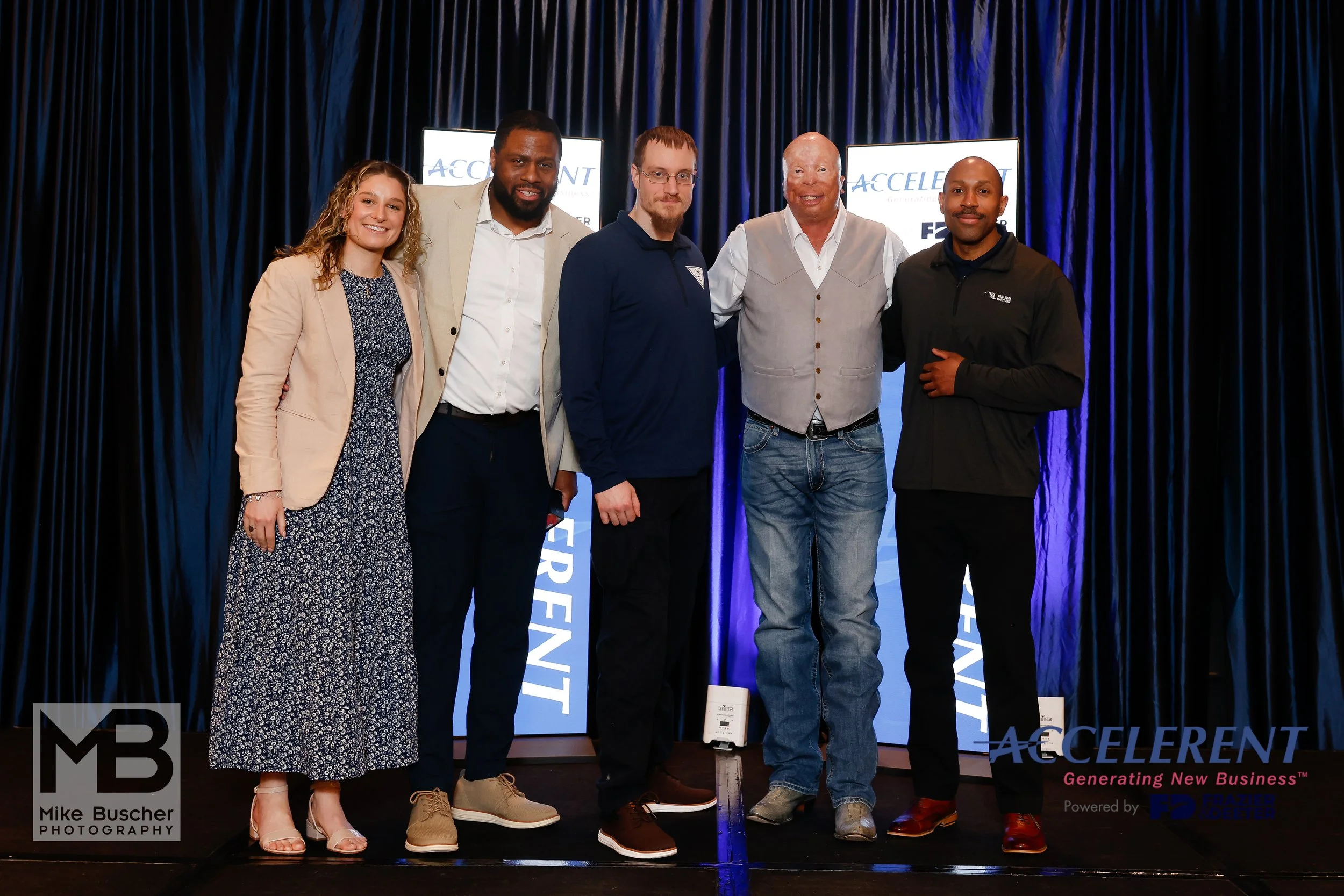
Recently, our team at KMMD had the opportunity to meet and listen to former Phoenix police officer Jason Schechterle. What stood out was not just the severity of what he went through, but how clearly his experience connects to something people deal with more often than they think. Situations change quickly, pressure builds fast, and in those moments, people either hesitate or act. The difference usually comes down to how they have trained themselves to respond.
Jason’s perspective comes from experience. While serving as a Phoenix police officer, he was involved in a near-fatal patrol car fire after being struck at high speed. He suffered extensive burns, a long hospital stay, and a difficult recovery. That part of his story matters because it shapes how he thinks about adversity, decisions, and what it actually takes to keep moving forward when things do not go as planned.
Over the last few months, we have focused on awareness, preparation, and the environments we move through every day. This month’s blog shifts the focus slightly. It is still about preparedness, but more about what happens when something changes, and there is no time to ease into it.
As Jason put it, “Life is 10% what happens to us. It’s 90% how we react to it.” It is a simple idea, but it holds up under pressure. When something unexpected happens, the situation is what it is. The response is where things begin to change.
Most people do not get advance notice before something difficult happens. There is no warning before an injury, a loss, a mistake, or a situation that forces a decision you were not expecting to make. Those moments show up without permission, and from there, the way you handle them starts to shape everything that follows.
Jason was direct about that reality. “We’re all going to get off track. We’re all going to be vulnerable. We’re all going to feel fear and anxiety. We’re going to suffer. That’s just part of life.” Hearing that stated plainly removes the idea that something has gone wrong simply because things feel difficult. It has not. That is part of the process.
What tends to separate people is not whether they encounter challenges, but how they respond to them. Some avoid them, delay them, or hope they resolve on their own. Others face them directly, even when it is uncomfortable, and begin working through them. That difference becomes more noticeable as pressure increases.
At one point, Jason shared one of his favorite movie quotes, “Are you going to do something or just stand there and bleed?” It is not meant to be dramatic. It is meant to be direct. There are moments where hesitation makes things worse, and where avoiding the situation only extends it. At some point, a decision has to be made to act.
He also spoke about something that is easy to overlook, which is how decisions over time shape outcomes. Most situations are not random. They are built through a series of choices, some small and some significant. That is not about assigning blame. It is about understanding that if choices influence where you end up, they also influence where you go next.
That connects directly to how preparedness actually works. You do not suddenly become composed or capable in a difficult moment. You fall back on what you have practiced and how you have conditioned yourself to respond. The habits you build, the way you think, and how you handle smaller moments all carry over when things become more serious.
That perspective carries more weight coming from someone who had to rebuild those habits and that mindset from the ground up. Jason’s recovery was not quick or straightforward. It required patience, repetition, resilience, and a willingness to keep moving forward even when progress was slow.
He closed with a comparison that is simple but hard to forget. When a storm approaches, cows run away from it, while buffalo turn and move directly into it. The storm still comes either way, but the buffalo get through it faster because they are not trying to outrun something they cannot avoid. His takeaway was clear: “Always, always, run toward the storm.”
That idea shows up in everyday situations more than people think. Avoiding something uncomfortable might feel easier in the moment, but it usually drags things out and makes them harder later. Facing it directly does not remove the difficulty, but it creates movement, clarity, and a better position to deal with what comes next.
This is not about forcing action in every situation or reacting without thinking. It is about recognizing when something needs to be addressed and choosing not to delay it. It is about staying engaged, thinking clearly, and acting with purpose instead of hoping the situation resolves on its own.
Jason also said, “The why will always reveal itself if we are patient in our struggle.” That kind of patience is not passive. It comes from continuing to move forward, adjusting when necessary, and staying involved even when the outcome is not immediately clear.
At KMMD, this is exactly what we train for. Not ideal situations, but the moments where something feels off, and you have to decide what to do next. Recognizing early signs, managing distance, staying composed under pressure, and making clear decisions when things are moving quickly are the moments where people either hesitate or act. Training helps reduce that hesitation. It gives you something to rely on, so you are not figuring it out for the first time when it matters.
The storm will come. That part is not optional. What matters is how you choose to deal with it, whether you spend your energy trying to avoid it or whether you build the ability to move through it with some level of control.
As Jason Schechterle said, “Always, always, run toward the storm.” His full story is moving and powerful, and adds further context to the perspective shared here. He has also shared it in greater detail through various talks and interviews for those who want to explore it further.